Who We Are
Supplying Commodity Polymers, Engineering Polymers and Chemicals that drive your business forward every day. With a commitment to quality and innovation, Vertex Trade Solutions connects buyers and sellers across the globe.
Learn More
Supplying high-quality polymer raw materials to empower SMEs, manufacturers, and traders with global supply chain excellence.
Supplying Commodity Polymers, Engineering Polymers and Chemicals that drive your business forward every day. With a commitment to quality and innovation, Vertex Trade Solutions connects buyers and sellers across the globe.
Learn More
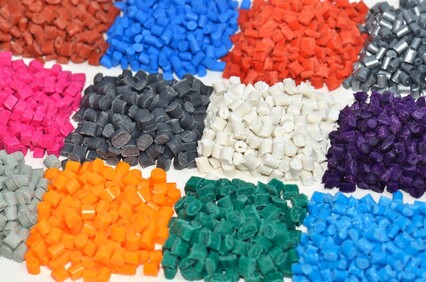
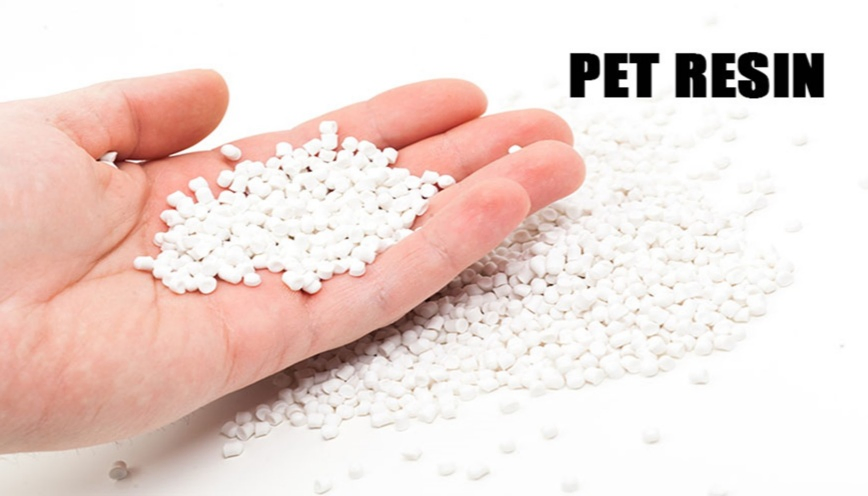
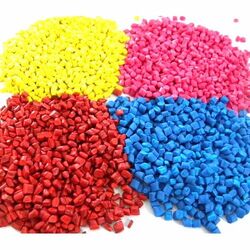

Explore our wide range of polymers and Chemicals.

Request tailored quotes easily.

Confirm with our expert team.

Fast and reliable shipping.
Active Customers
Active Suppliers
Available Grades
Years Experience
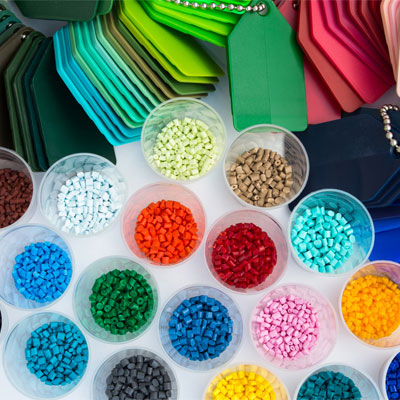
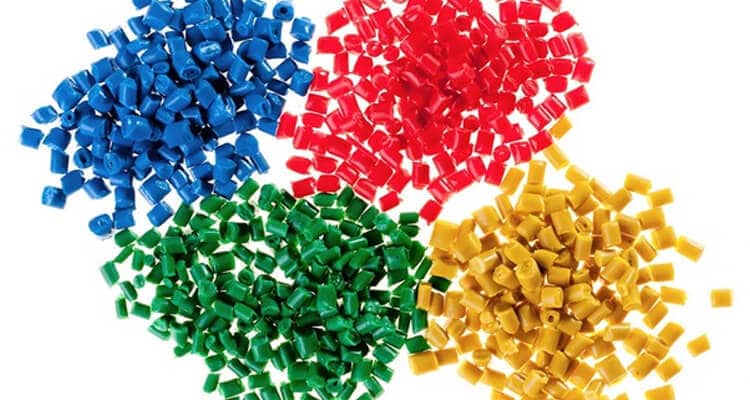
Polymers are large molecules made of repeating units used in applications ranging from packaging to construction. Vertex Trade Solutions specializes in both engineering and commodity polymers like HDPE, LLDPE, PP, LDPE, and Nylon.
We provide engineering polymers (ABS, Nylon, Polycarbonate, PMMA, Polyurethane) and commodity polymers (PP, PVC Resin, EVA, HDPE, LLDPE, LDPE, PET, PS), suitable for industries such as automotive, packaging, electronics, and construction.
A copolymer is used to modify the properties of manufactured plastics to meet specific application needs, such as improving flexibility or strength, as seen in EVA and ABS blends.
An example of a graft copolymer is high-impact polystyrene (HIPS), which features a polystyrene backbone with polybutadiene grafts, enhancing toughness and flexibility.
Tg (glass transition temperature) and Tm (melting temperature) are key thermal properties of polymers. Tg indicates the temperature at which a polymer transitions from glassy to rubbery, while Tm is the melting point, affecting material selection.
An impact modifier, like EVA in PVC blends, enhances the toughness and impact resistance of polymers, making them suitable for demanding applications.
EVA is a copolymer of ethylene and vinyl acetate, known for flexibility and toughness, commonly used in footwear, packaging, and adhesives.
HDPE copolymer is a high-density polyethylene enhanced with comonomers for improved strength and flexibility, ideal for pipes and containers.
SBS is a block copolymer of styrene and butadiene, used in adhesives, footwear, and asphalt modification due to its elasticity.
A homopolymer is not a copolymer; it consists of a single monomer type. Copolymers, like ABS, combine multiple monomers.
Yes, copolymers can be modified by adjusting monomer ratios or blending, as seen with LLDPE for enhanced flexibility.
PLA (Polylactic Acid) is typically a homopolymer but can be a copolymer when combined with other monomers like glycolic acid for specific properties.
Copolymers offer improved strength, flexibility, and processability, making them ideal for diverse applications like fishing lines and packaging.
Graft copolymers, like HIPS, exhibit enhanced mechanical properties, toughness, and compatibility due to their branched structure.
The three types of grafting are side-chain grafting, block grafting, and graft copolymerization, each altering polymer properties differently.
EVA is more flexible and easier to process than PVC, making it preferable for footwear and packaging, though PVC offers better chemical resistance.
Yes, EVA can be recycled, supporting sustainable practices, though recycling processes vary by region.
EVA stands for Ethylene Vinyl Acetate, a versatile copolymer used in multiple industries.
SBS polymer is Styrene-Butadiene-Styrene, a block copolymer known for elasticity and used in adhesives and asphalt.
No, SBS is not a polyether; it is a styrene-butadiene block copolymer.
LMMW (Low Molecular Weight Material) refers to polymers with shorter chains, often used as plasticizers or additives.
Major producers include GAIL, IOCL (Indian Oil Corporation Ltd.), Reliance Industries, Haldia Petrochemicals, and ONGC, supplying raw materials like ethylene and propylene.
LLDPE (Linear Low-Density Polyethylene) is more flexible and puncture-resistant, while PP (Polypropylene) is stiffer and heat-resistant, suited for different packaging needs.
PVC (Polyvinyl Chloride) is rigid and chemically resistant, ideal for pipes, while EVA is flexible and used for footwear and films.
PET (Polyethylene Terephthalate) is transparent and used for bottles, while PP is opaque and heat-resistant, common in containers.
PP (Polypropylene) is used for packaging, automotive parts, and textiles due to its strength and heat resistance.
PVC (Polyvinyl Chloride) is used in construction (pipes, fittings), cables, and packaging for its durability and versatility.
HDPE is used for rigid applications like pipes and bottles due to its strength, while LDPE is preferred for flexible uses like plastic bags and films.
PP is used for lightweight packaging and automotive parts due to its heat resistance, whereas PVC is utilized in construction pipes and electrical insulation for its rigidity.
PET is primarily used for clear bottles and food containers due to its transparency, while PS (Polystyrene) is used for insulation and disposable cutlery due to its lightweight nature.
EVA is used in flexible applications like footwear and adhesives, while LLDPE is used for durable films and stretch wraps due to its toughness.
HDPE is used in pipes, bottles, and geomembranes for its high strength and chemical resistance.
LDPE is used in plastic bags, shrink wraps, and squeeze bottles for its flexibility and ease of processing.
PET is used for beverage bottles, food packaging, and synthetic fibers due to its clarity and recyclability.
PS is used in insulation boards, disposable cups, and packaging materials due to its lightweight and insulating properties.
ABS (Acrylonitrile Butadiene Styrene) is used in automotive parts, toys, and electronics housings for its toughness and impact resistance.